
Introduction
Choosing the best material for a custom iPhone case in 2025 means balancing protection, design, and sustainability.
From classic hard plastics to new eco-friendly composites, materials today offer more variety and personalization options than ever.
In this guide, we’ll explore the top materials, their pros and cons, and how to pick the perfect one for your custom iPhone case line or personal design.
What to Look for in a Case Material
Before diving in, here are the main things to consider when designing or buying a custom case:
- Protection: Impact absorption, rigidity, and drop resistance.
- Feel: Grip, thickness, and texture.
- Style: Print compatibility, color options, branding flexibility.
- Eco-Impact: Whether it’s recyclable, biodegradable, or made from renewable sources.
- MagSafe & Charging: Always confirm compatibility with iPhone’s magnetic and wireless charging systems.
🧱 1. Polycarbonate (PC) — The Customization Classic


Why it’s great: Lightweight, durable, and perfect for full-color printing.
Best for: Promotional or fashion cases with detailed designs.
Pros:
✅ Rigid protection
✅ Excellent for UV or sublimation printing
✅ Affordable and widely available
Cons:
❌ Can feel slippery
❌ May crack on hard impact
💡 2. TPU & Hybrid PC/TPU — Best All-Round Material

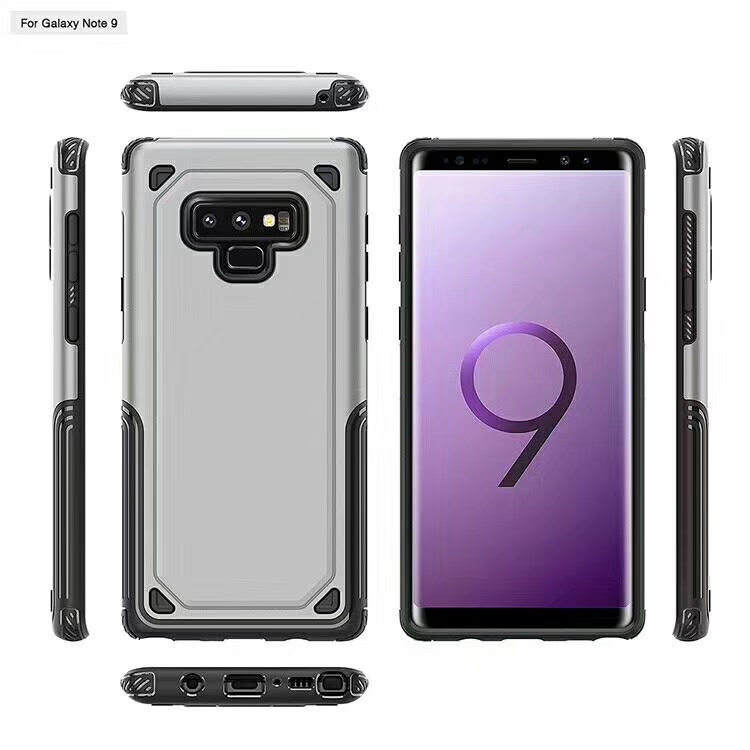


Why it’s great: Combines soft shock absorption (TPU) with hard protection (PC).
Best for: Everyday custom cases with MagSafe compatibility.
Pros:
✅ Shock-resistant
✅ Easy to print and mold
✅ Tight, precise fit
Cons:
❌ Transparent TPUs can yellow with age
🌈 3. Silicone & Soft-Touch Rubber — Smooth and Grippy


Why it’s great: Luxurious feel, soft grip, and endless color options.
Best for: Lifestyle and minimalist case brands.
Pros:
✅ Soft, anti-slip texture
✅ Custom colors and prints available
✅ Excellent comfort in hand
Cons:
❌ Attracts lint and dust
❌ Less structural rigidity
👜 4. Leather & Vegan Leather — Timeless Premium Feel


Why it’s great: Adds sophistication; can be engraved or embossed for personalization.
Best for: Luxury, corporate, or gift-ready custom iPhone cases.
Pros:
✅ High-end look and feel
✅ Works well for monogram or logo engraving
✅ Vegan and plant-based options available
Cons:
❌ More expensive
❌ Requires care to avoid stains
⚙️ 5. Wood, Metal & Carbon Fiber — Statement Materials


Why it’s great: Distinctive and premium; perfect for niche or executive collections.
Best for: Limited-edition custom runs and luxury tech accessories.
Pros:
✅ Eye-catching textures (wood grain, brushed metal, forged carbon)
✅ Extremely durable
✅ Adds a unique tactile experience
Cons:
❌ Heavier and more expensive
❌ Some may affect wireless charging
🌿 6. Eco-Friendly & Recycled Materials — The 2025 Trend


Why it’s great: Sustainability sells — and customers notice.
Best for: Eco-conscious brands and custom case startups.
Examples:
- Recycled ocean plastic (RPET, recycled PC)
- Plant-based or biodegradable TPU
- Cactus or apple-waste leather
Pros:
✅ Environmentally responsible
✅ Growing demand from Gen Z and Gen Alpha buyers
✅ Excellent for storytelling in brand marketing
Cons:
❌ Limited finishes and color options
❌ Slightly higher production costs
🔧 Customization Tips for 2025
- Use hybrid materials for balance (e.g., TPU sides + PC back).
- Engrave or emboss premium materials instead of printing.
- Ensure MagSafe alignment and camera clearance for new iPhone models.
- Test sample prototypes for fit, texture, and print quality.
- Add eco-labels or packaging that tell your sustainability story.
Conclusion
In 2025, the “best” material for a custom iPhone case depends on your goals:
| Goal | Recommended Material |
|---|---|
| Budget & mass production | Polycarbonate |
| All-round protection | TPU / Hybrid |
| Premium branding | Leather / Vegan leather |
| Eco-friendly marketing | Recycled TPU or plant leather |
| Luxury design | Carbon fiber / Wood / Metal |
Choose materials that match your brand identity and audience — whether you’re a sustainable startup, a design-driven boutique, or a tech-gear brand.